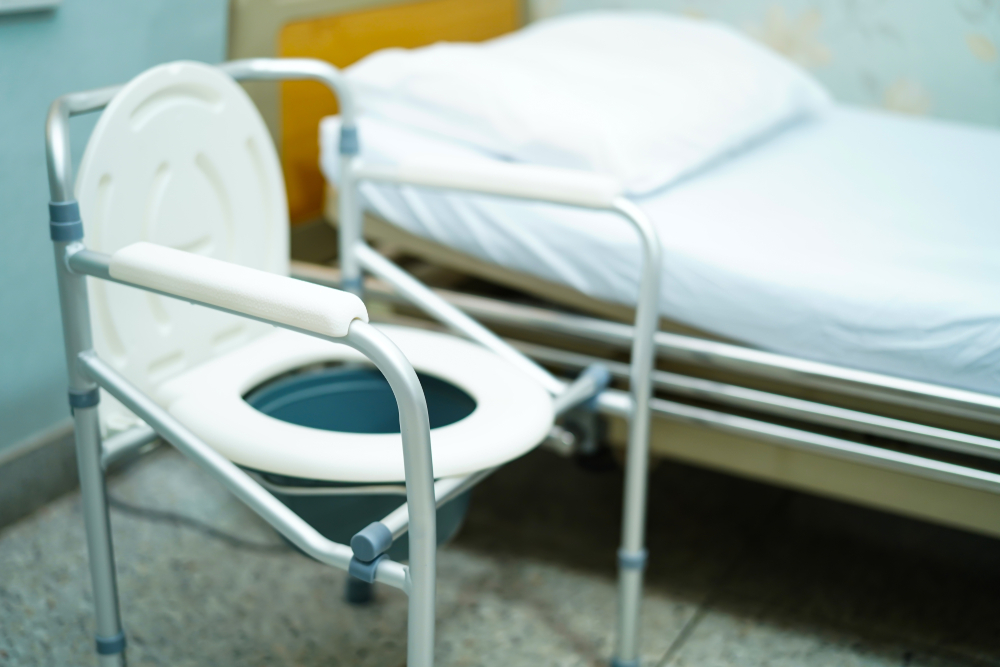
Accessible toilet facilities are an essential part of protecting the dignity and hygiene of people with disabilities, both visible and non-visible, mobility issues and certain medical conditions.
Page contents
- At a glance
- How do I get a disabled toilet key?
- RADAR disabled toilet keys
- How do I find a disabled toilet when out and about?
- Changing Places – toilets for people with more complex needs
- How can I fit a disabled toilet in my own home?
- How much does it cost to install a disabled toilet?
- How can I get funding for a disabled toilet?
- Small adaptations
- Larger adaptations
- FAQs
Page contents
- At a glance
- How do I get a disabled toilet key?
- RADAR disabled toilet keys
- How do I find a disabled toilet when out and about?
- Changing Places – toilets for people with more complex needs
- How can I fit a disabled toilet in my own home?
- How much does it cost to install a disabled toilet?
- How can I get funding for a disabled toilet?
- Small adaptations
- Larger adaptations
- FAQs
Disabled toilets are legally required to provide enough room for a wheelchair user to comfortably access them, as well as higher seats and grab bars to aid transfer.
How available accessible toilets are varies widely across the UK. A 2023 survey by QS Supplies found that the percentage of public toilets that were accessible to people with disabilities ranged between 84.9% (Fermanagh and Omagh, Northern Ireland) and 0% (Torridge, England).
At a glance
- Disabled and accessible toilets should be clearly signposted. They can range in size and the facilities they provide.
- Accessible toilets are sometimes locked to prevent misuse. You can buy a RADAR key to access them.
- If you need a disabled toilet in your home, your local council may fund and arrange this for you.
How do I get a disabled toilet key?
Sometimes disabled toilets are locked. This is to stop people who don’t need them from using them and thereby potentially blocking a disabled person from accessing the toilet when they need to. It’s also to prevent misuse.
Staff at the venue can lend you a key. Alternatively, you can carry your own.
RADAR disabled toilet keys
RADAR stands for The Royal Association for Disability and Rehabilitation. The keys were introduced in 1981 as part of the National Key Scheme. The keys fit a universal lock that is installed in disabled toilets across the UK.
You can buy RADAR keys online.
How do I find a disabled toilet when out and about?
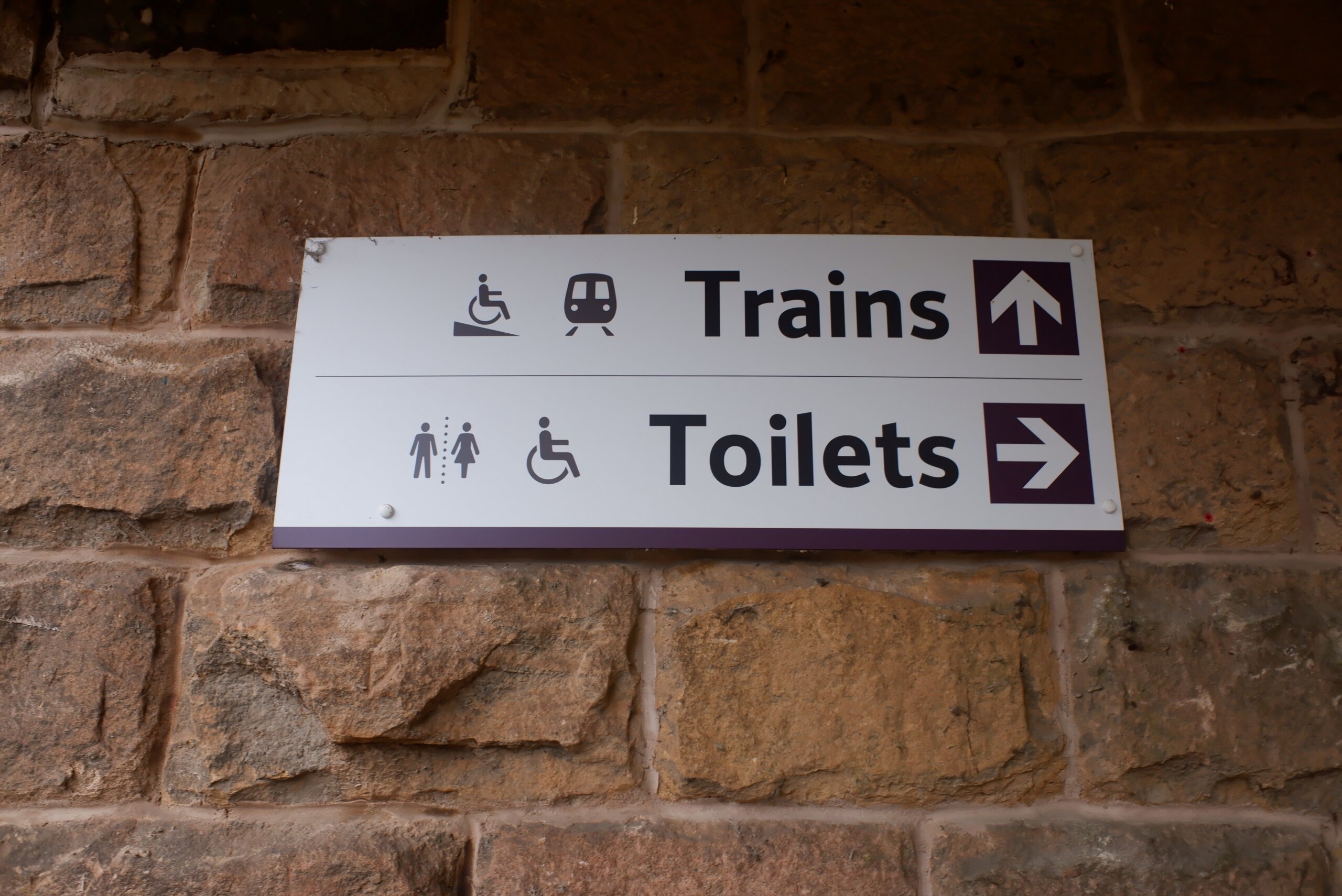
Public disabled or accessible toilets are signposted with the International Symbol of Accessibility (ISA). This is a stick figure in a wheelchair. Staff in public venues should be able to point you to the disabled toilet and give you a key if you need one.
If you have a venue in mind that you are planning to visit, it’s often simplest to ring and ask if they have an accessible disabled toilet (unbelievably you do come across one occasionally that is inaccessible to wheelchairs), prior to your visit.
If it’s impractical to plan ahead or you’re caught off guard, you may find websites such as Toilet Map helpful. These allow you to quickly search for your nearest disabled toilet.
Changing Places – toilets for people with more complex needs
Changing Places is a campaign that was launched in 2005. It aims to provide public toilets for people whose disabilities mean they can’t necessarily use a standard disabled toilet.
Changing Places toilets are much larger and include equipment such as hoists, changing benches and toilets in the middle of the room to allow more space either side.
If you would like to know where to find a Changing Places toilet, they have a map on their website.
How can I fit a disabled toilet in my own home?
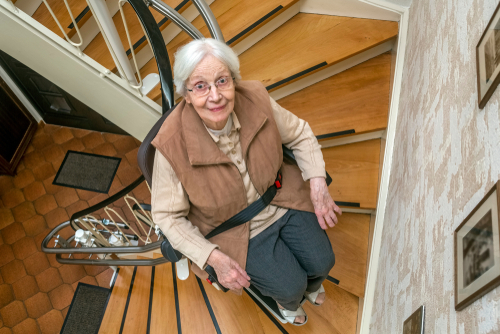
You can adapt your toilets at home to fit your needs. You may be able to have this work organised and funded by your local authority.
Alternatively, you can use a specialist bathroom installation fitter to do the job privately. If it’s just grab bars and a high seat you need, you may be able to get a handyman or even a family member or friend to help, but more complex adjustments or a new bathroom will require more specialism.
How much does it cost to install a disabled toilet?
The cost of a disabled toilet depends on the level of adaptation you need.
A plastic raised toilet seat with handles can be bought online for £40 – £50, while a set including the seat and grab bars is more like £400 – £700.
The price starts climbing further if you need any building work, such as widening doors, adjustments for a wetroom, replacing a bathroom or building a new one. You may also need equipment such as a walk-in shower or ceiling hoist. Such works can cost from £2,000 to over £15,000.
How can I get funding for a disabled toilet?
If you are considering home adaptations to help you with accessing the toilet, contact your local authority. They can send an assessor to your home to talk with you about what you are finding difficult, have a look at the layout of your home and make recommendations for adaptations they think would best suit your needs.
Small adaptations
Your local council should cover the costs of adaptations up to £1000. This should easily cover grab rails and high toilet seats.
Larger adaptations
If adaptations are larger, such as they require building work to expand the size of your toilet, remove steps or install a new bathroom, this may not be covered by the £1000.
In this case you may be eligible for the Disabled Facilities Grant. This is available in England, Wales and Northern Ireland; Scotland has the Independent Living Fund instead.
The Disabled Facilities Grant is a means-tested grant from your local authority and covers up to £36,000 of work, depending on which UK country you live in.
Read more about home adaptations and how to pay for them.
FAQs
What funding is there for having a disabled toilet fitted?
Your local authority may pay for home adaptations that cost up to £1000 if you need them due to a disability. For more expensive adaptations, you may be eligible for the Disabled Facilities Grant.
What is a Changing Places toilet?
Changing Places is a campaign that provides public toilets for people with complex needs that may not be met with standard disabled toilets. A Changing Places toilet has more space and equipment.
How do I get a disabled toilet key?
You can buy RADAR key online and carry it with you to use when needed. RADAR keys fit all disabled toilets. If you don’t have one, staff at the venue you’re in should be able to provide one.