The Psychological Toll of Care

At Caremark Preston, we know that caring for someone goes far beyond practical help. It’s a deeply emotional experience that can touch every corner of your life. Whether you’re a professional carer, a family member, or a patient yourself, mental health plays a crucial role in how we cope, connect, and carry on. Care doesn’t happen in a vacuum. It affects carers, families, and patients in different but deeply connected ways. In this article, we explore the emotional realities behind caregiving, why mental wellbeing matters, and how we can better support each other through empathy, knowledge, and practical help. Being a carer is rewarding, but it’s also demanding. Many carers face constant stress, tiredness, and emotional pressure. According to Carers UK, one in five carers lives with depression, and more than 70% experience anxiety. Stress often builds when the responsibilities of care feel overwhelming. When people feel they don’t have enough support or resources to cope with what’s being asked of them, emotional strain sets in.
DSC Common challenges for carers include:
Burnout: Emotional and physical exhaustion that builds over time. Compassion fatigue: When caring becomes emotionally draining and empathy starts to wear thin. Anxiety: Worrying constantly about the person’s health or future. Guilt: Feeling like you’re not doing enough, or that you’re failing, even when you’re doing your best. Many carers feel guilty for needing a break, for getting frustrated, or for considering professional care. These are all normal emotions — and it’s vital to talk about them. You don’t have to be the main carer to feel the impact. Families often feel helpless, especially when a loved one’s health is changing. Roles shift. Emotions can run high. Decisions around care can create tension. A Mental Health Foundation survey showed that 65% of families with a chronically ill member experienced increased stress, emotional distance, or communication breakdowns. Grief can even begin before loss — what’s known as “anticipatory grief.” It’s natural to mourn changes in the person you love, even while they’re still here. When someone is unwell, their mental wellbeing is often overlooked. But emotional health is just as important as physical health. Patients may experience: Depression: Especially if they’ve lost mobility or independence. Anxiety: About treatment, the future, or being a burden. Guilt: For needing help or “taking up” others’ time. These emotions can cause people to withdraw, become quieter, or stop expressing their needs. That’s why it’s so important to treat people with empathy, encourage open communication, and include them in decisions. Mental health isn’t a side issue — it’s part of the full picture of good care. For carers and families, some supportive steps include:
Respite care to recharge and avoid burnout Talking therapy or support groups for emotional relief Learning about the condition to feel more prepared and less helpless Recognising the emotional labour that comes with caring For patients: Encourage choice and autonomy, even in small things Incorporate mental health support, like counselling or activities they enjoy Offer consistency, which reduces stress and confusion Joy and comfort go a long way. Music, art, conversation, nature — these things matter. At Caremark Preston, we believe good care starts with empathy. That means: Checking in on carers’ mental health regularly Helping families deal with difficult transitions Making sure patients feel respected and heard Mental health is not optional — it’s essential. When carers, families, and patients are emotionally supported, everyone benefits. Helpful Resources Here are some places to turn for support: Carers UK: www.carersuk.org Mind: www.mind.org.uk Age UK: www.ageuk.org.uk Rethink Mental Illness: www.rethink.org Caremark Preston: Our team is here to support you. Care is a human experience. It brings out love, courage, sadness, and sometimes doubt. But with the right support, it can also bring resilience, closeness, and strength. You are not alone. Whether you’re caring for someone, being cared for, or figuring out what comes next — your mental health matters. Let’s keep talking about it.
Latest Care Provider & Regulatory News
 02-Apr-26
Not Your Usual Easter Treat....
02-Apr-26
Not Your Usual Easter Treat....
 01-Apr-26
Valuing Our Workforce: Real Change for Our Teams !
01-Apr-26
Valuing Our Workforce: Real Change for Our Teams !
 31-Mar-26
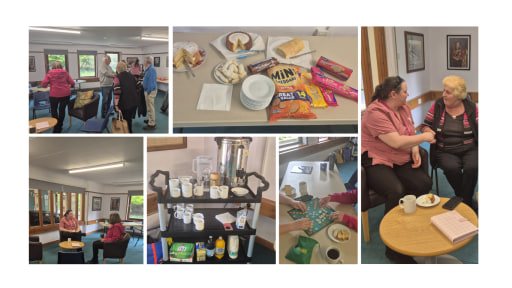
Positive feedback for the FIRST Day care taster session
31-Mar-26
Positive feedback for the FIRST Day care taster session
31-Mar-26 Hammersmith & Fulham leadership team driving high-quality home care
 31-Mar-26
We've reached the final of the HCPA Care Awards 2026!
31-Mar-26
We've reached the final of the HCPA Care Awards 2026!