Home Care vs Residential Care


February is a month where we settle back into routine and await the arrival of Spring. The shorter days and cold, wet weather continue to make everyday life more challenging for older people. At around this time of year, some families find the time to explore care options for their elderly relatives. So, we thought we’d share some information on home care and residential care, helping you understand what support could look like for your loved one in the months or years to come.
How winter can highlight care needs
The colder season often shifts how manageable daily life feels. In the colder months, stiff joints, heavier clothing, and chilly bathrooms can make everyday tasks like washing or getting dressed feel more difficult than they did in summer. Cold weather can also reduce your family member’s confidence, especially when mobility is already a concern. Long evenings indoors can also intensify feelings of isolation.
You might notice small changes to start, such as skipping meals or forgetting medications, the house feeling cooler than it should, or your relative seeming quieter than usual. These signs do not necessarily indicate a crisis, but they can act as gentle prompts to reassess how things are going.
If you are unsure how to begin, start with a conversation. Asking open, supportive questions about how someone is managing day-to-day can uncover practical adjustments that make a meaningful difference before challenges escalate. Home care and residential care, understanding daily routines When weighing up home care and residential care, it helps to imagine what an average day would look like.
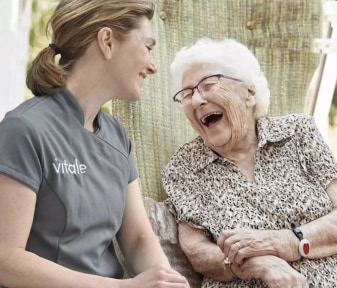
With home care, assistance is arranged around existing routines. A Care Professional visits at agreed times to support with personal care, preparing meals, light household tasks or companionship. Familiar surroundings remain unchanged, and preferences are respected, whether that means breakfast at a certain time, a short stroll in the morning or afternoon, or watching favourite programmes in the evening.
Residential care provides support within a dedicated setting, where staff are available throughout the day and night. Meals and activities tend to follow a structured timetable. Many people find reassurance in knowing help is always close by, and some appreciate the opportunity for regular social interaction within a shared environment.
There is no universal right answer. The key is considering a few practical questions. Does your loved one value privacy and familiar surroundings? Would they benefit from the social side of communal living, or would they dislike that environment? Would structured routines feel reassuring or restrictive? Is staying at home realistic? Exploring these questions helps families understand what kind of support will genuinely suit daily life.
Why many people choose to remain at home
For a significant number of older people, staying at home with appropriate support can maintain a sense of independence.
There is deep comfort in the familiar, your own bed, the meals you enjoy, the small routines that shape the day. Home carries memories, identity and a feeling of control. Care Professionals contribute greatly to this continuity. By building relationships and understanding personal preferences, they provide assistance in ways that feel respectful and unobtrusive. That might mean styling someone’s hair as they prefer, cooking favourite dishes, or sharing conversation over a cup of tea.
Home care also offers flexibility. Support can begin with a handful of visits each week and increase gradually as needs change. This step-by-step approach allows families time to adjust, review options and make considered decisions.
Taking the next step
Choosing between home care and residential care is a personal choice, and it’s much better if the decision isn’t rushed. February can be an opportunity to pause, gather information and consider how daily life could be improved with the right support in place.
If you are starting to explore options for yourself or someone close to you, we are here to talk. Get in touch with our team to find out how we can help.
Latest Care Provider & Regulatory News
 15-Feb-26
Home Care vs Residential Care
15-Feb-26
Home Care vs Residential Care
 13-Feb-26
Best small franchise award
13-Feb-26
Best small franchise award
 13-Feb-26
Supporting Sylvia
13-Feb-26
Supporting Sylvia
 13-Feb-26
Supporting Andrew
13-Feb-26
Supporting Andrew
 12-Feb-26
Bluebird Care Welcomes Hairy Biker Si King as National Brand Ambassador
12-Feb-26
Bluebird Care Welcomes Hairy Biker Si King as National Brand Ambassador