Understanding Sundowning and Dementia: How Winter Can Worsen Symptoms


Our Community Nurse Assessor, Katie, kicks off a new series of informative articles by exploring Sundowning—a condition that can affect people with dementia in the late afternoon and evening.
What is Sundowning? Dementia is a progressive neurological condition that affects memory, cognition, and behaviour, in the UK around 950,000 people have some form of dementia, including 1 in every 11 people aged over 65.
Among the many challenging symptoms associated with dementia is a phenomenon known as sundowning. The term refers to a pattern of increased confusion, agitation, anxiety, and restlessness that typically occurs in the late afternoon and evening. Sundowning symptoms can worsen during the winter months due to the shorter days and reduced exposure to sunlight.
This article will provide useful information and support to help you manage sundowning symptoms in your loved one during the winter months.
What is Sundowning? Sundowning is a common symptom experienced by individuals with dementia, especially those in the middle to later stages of the condition. The exact cause of sundowning is not fully understood, but factors such as disrupted circadian rhythms (sleep-wake cycles), fatigue, and changes in the environment are believed to contribute.
What are the symptoms? Increased confusion Irritability Mood swings Pacing Shouting Hallucinations
Why does Sundowning happen? The end of the day can lead to dementia symptoms worsening. This can be due to many reasons:
Hunger/thirst/pain/other unmet physical needs. Overstimulation – too much time spent in busy and/or noisy environments during the day. Not enough exposure to daylight before sunset. Disturbances in body clock and/or hormones. Sensory impairment – sight/hearing loss. Other people’s tiredness or negative emotions causing the person with dementia to become upset. Anxiety or depression. Side effect of prescribed medications.
Why Winter Worsens Symptoms The winter season can exacerbate sundowning symptoms for several reasons:
Reduced Daylight Hours:
Shorter days and longer nights can disrupt the body’s internal clock, or circadian rhythm, which regulates sleep-wake cycles. The lack of natural sunlight can make it difficult for individuals with dementia to distinguish between day and night, increasing confusion and agitation. Increased Indoor Time: Colder temperatures often lead to spending more time indoors, resulting in reduced physical activity and social interaction. This isolation can contribute to feelings of restlessness, anxiety, and depression. Feelings of isolation are an issue we are very aware of through our work at Abbots Care, you can find out more about our not-for-profit sister branch Abbots Friends and our free companionship service by clicking here. Disrupted Sleep Patterns: The diminished exposure to natural light can interfere with melatonin production, a hormone that regulates sleep. Poor sleep can lead to daytime fatigue and worsening sundowning symptoms. Holiday Stress and Environmental Changes: The winter season often brings with it loud social gatherings and lots of visual and audio stimuli which can be overwhelming and confusing for individuals with dementia. Strategies to Manage Sundowning in Winter While sundowning can be challenging, several strategies can help alleviate symptoms, especially during the winter months:
Maximise Daylight Exposure:
Encourage time outdoors during daylight hours or use light therapy lamps to simulate natural sunlight and help regulate circadian rhythms. Remember to use your best judgement to support safe outdoor trips, wrap the individual up in appropriately warm clothing and bring water to ensure they stay hydrated. Maintain a Consistent Routine: Keeping a predictable daily schedule can reduce confusion and anxiety. Create a Calm Evening Environment: Dimming lights gradually in the evening, reducing noise, and engaging in relaxing activities can help ease the transition to night time. Promote Physical Activity: Gentle exercises or indoor activities during the day can help reduce restlessness and improve sleep. Our previous article takes a look at some appropriate indoor activities for elderly individuals which you can read here. Limit Stimulants: Avoid caffeine and large meals in the late afternoon and evening to prevent sleep disturbances.
Latest Care Provider & Regulatory News
 02-Apr-26
Not Your Usual Easter Treat....
02-Apr-26
Not Your Usual Easter Treat....
 01-Apr-26
Valuing Our Workforce: Real Change for Our Teams !
01-Apr-26
Valuing Our Workforce: Real Change for Our Teams !
 31-Mar-26
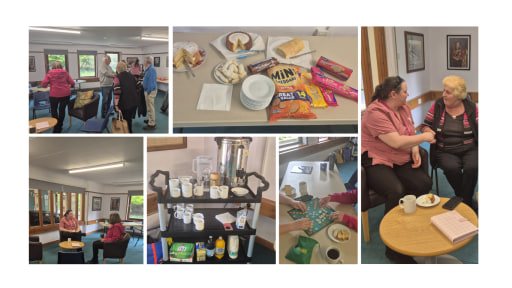
Positive feedback for the FIRST Day care taster session
31-Mar-26
Positive feedback for the FIRST Day care taster session
31-Mar-26 Hammersmith & Fulham leadership team driving high-quality home care
 31-Mar-26
We've reached the final of the HCPA Care Awards 2026!
31-Mar-26
We've reached the final of the HCPA Care Awards 2026!