Nutrition and Hydration Week


16th to 22nd March marks Nutrition and Hydration Week, which raises awareness of the importance of good nutrition and regular fluid intake for overall health and wellbeing. As home care providers, we see firsthand that preparing meals, remembering to drink regularly, or finding the motivation to cook can all become more difficult over time. If you or a loved one needs help with eating well at home, the support of a Care Professional can make a real difference. How appetite changes as we get older Many older adults find that their appetite gradually decreases. There are several reasons this may happen. Changes in metabolism can affect how hungry someone feels, and certain medications may alter taste or reduce interest in food.
When appetite reduces, people sometimes start skipping meals. Over time, this can lead to lower energy levels and make it harder to maintain strength and stay active.
Action tip: If large meals feel unappealing, try eating smaller portions more frequently throughout the day. Light options such as soup, eggs, yoghurt, fruit, or a simple sandwich can still provide valuable nutrients without feeling too heavy. Why hydration can be easy to overlook Drinking enough fluids is just as important as eating well, but many older adults unintentionally drink less than they should.
One reason is that the body’s sense of thirst often becomes less noticeable with age. Some people also avoid drinking because they worry about needing to use the bathroom more often. However, even mild dehydration can affect how someone feels. Symptoms may include tiredness, headaches, dizziness, or confusion.
Action tip: Hydrating foods can help increase fluid intake. Foods such as soups, yoghurt, smoothies, and fruits like melon or oranges all contribute to daily hydration. Some people may also benefit from products such as Jelly Drops, water-based sweets designed to support hydration for those who struggle to drink enough fluids. When preparing meals feels like hard work. Another common difficulty is the motivation to cook. Preparing meals just for one person can feel uninspiring, and it may become tempting to rely on quick or convenience foods that do not always provide balanced nutrition.
Loneliness can also play a role. Mealtimes often feel more enjoyable when they are shared, and without that social element, food can begin to feel like another task to get through during the day.
Practical barriers also cause issues. Shopping for groceries, standing in the kitchen for long periods, or carrying ingredients home may become more physically demanding.
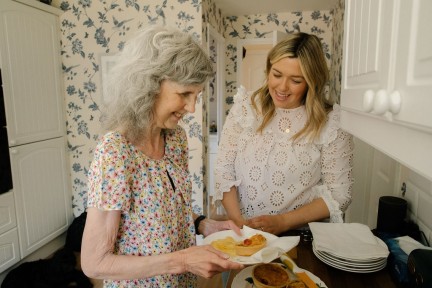
Action tip: Small changes can help make mealtimes more enjoyable again. Sitting down at the table, inviting a friend or family member for a meal, or attending a local community lunch or event can bring back the social aspect of eating. A Care Professional can also help with transport so people can attend community activities and enjoy meals with others. How Home Care Services can help. Sometimes a little extra support can make everyday routines much easier. Care Professionals can assist with grocery shopping, meal preparation, and planning simple, nutritious meals that suit individual preferences.
Just as importantly, they provide companionship. Sharing a cup of tea, preparing food together, or simply chatting during mealtimes can help bring enjoyment back to eating. Eating well and staying hydrated are key to maintaining strength, energy, and overall well-being. The challenges older adults face around food and drink are very common, but small adjustments and the right support can make daily life easier.
At Vitale Care, we provide home care services across West Sussex and the South Coast. If you would like to learn more about how we can support you or a loved one, please get in touch with our team today.
Latest Care Provider & Regulatory News
 14-Mar-26
Nutrition and Hydration Week
14-Mar-26
Nutrition and Hydration Week
 13-Mar-26
Tips to Help You Research Live-In Home Care for Elderly Parents
13-Mar-26
Tips to Help You Research Live-In Home Care for Elderly Parents
 13-Mar-26
International Women’s Day
13-Mar-26
International Women’s Day
 13-Mar-26
More Than Care - it’s friendship
13-Mar-26
More Than Care - it’s friendship
 13-Mar-26
Seeing the world through the eyes of a care professional
13-Mar-26
Seeing the world through the eyes of a care professional