Eating, drinking and ageing well: Helpful tips for later life
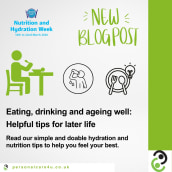
Eating and drinking well in later life matters more than many people realise. This week is a reminder for us all that food and drink aren’t “small things”; they’re the foundations that keep us steady, stronger, and more like ourselves. Nutrition and Hydration Week (16–22 March 2026) is recognised across health and social care to highlight good practice and encourage practical changes around eating and drinking.
At Personal Care Specialists, we see the reality behind the advice: some days you feel hungry, and everything tastes great; other days you can’t be bothered, or you forget to drink, or nothing appeals.
So, this blog isn’t about aiming for perfection. It’s about small, kind changes that help you eat and drink well in later life; whether you receive care, care for someone else, or simply want to feel your best.
Why eating and drinking can change as we get older As we age, a few things often change at once: appetite may reduce, taste and smell may dull, and some medicines can affect hunger, thirst, digestion, or energy. On top of that, shopping and cooking can feel like bigger jobs than they used to, especially if standing hurts or fatigue creeps in. These changes are common, and they’re not a personal failure.
Hydration can be especially tricky. Many older people don’t feel thirst as strongly, which means you can become dehydrated without realising it. Dehydration can result in feeling tired, muddled, constipated, or generally “not quite right”, and it can increase the chance of infections and falls.
What “ageing well” looks like at home (no fuss) From our perspective, eating and drinking well in later life usually comes down to a few simple goals: • Eat regularly – even if it’s smaller amounts more often • Drink regularly – little and often tends to work best • Include protein-rich foods on most days to support strength. • Keep food enjoyable – because enjoyment is often what makes habits stick. That’s it. No complicated rules. No guilt.
Hydration: a simple target and a few friendly checks A general guide for most people is 6 to 8 drinks a day. That includes water, tea, coffee, milk, and sugar-free drinks. You may need more if it’s hot, you’re active, or you’re unwell. Some people use the colour of their wee (aiming for pale yellow) as a simple check, although it’s not perfect for everyone.
If you’re someone who “doesn’t feel thirsty”, you’re in good company. The trick is not to wait for thirst, it’s to build drink prompts into your day. Staying hydrated is a central part of eating and drinking well in later life.
Drink prompts that work in real life Here are prompts we often suggest because they fit normal routines: • One drink with each medication (a proper drink, not just a sip). • A drink when you sit down (chair = cue). • A drink at the start and end of TV programmes. • Keep a drink within reach in the room you use most. If plain water is unappealing, try making it nicer: chilled water, sparkling water, a slice of lemon or lime, or a “no added sugar” squash.
Hydrating foods count too If drinks feel like a chore, you can boost your fluid intake with foods like soups, stews, yoghurt, jelly, and water-rich fruits. It’s not cheating; it’s a practical way to support hydration and is an important part of eating and drinking well in later life.
Nutrition: what your body may need more of in later life A nutrient-rich diet matters at every age, but in later life there’s often more focus on protein (to support muscles), plus nutrients such as calcium, folate and vitamin B12. While some needs increase, plenty stay the same, so balance still matters, and enjoyment matters too.
Weight changes can also become more significant. Being underweight or losing weight unintentionally can affect strength, energy, and resilience. If weight loss is unplanned, it’s worth speaking to a health professional.
Our 5 useful food tips (simple, doable, and not preachy) 1. “Little and often” beats big plates If a full meal feels too much, aim for smaller meals and snacks spread across the day. Many people find this easier when their appetite is low, when chewing is tiring, or when their energy dips.
Easy snack ideas that still “count”: • Yoghurt or rice pudding • Cheese and crackers • Peanut butter on toast • A milky drink and a biscuit • Soup and bread • Fruit plus a handful of nuts (if safe for you)
2. Add protein without making meals bigger Protein doesn’t have to mean a huge portion of meat; there are many alternatives. It can be small additions: • Yoghurt or rice pudding • Cheese and crackers • Peanut butter on toast • A milky drink and a biscuit • Soup and bread • Fruit plus a handful of nuts (if safe for you)
3. Make breakfast your anchor Starting the day with something small helps set up a steadier pattern of eating and drinking. If mornings are tough, go for low-effort options: porridge, yoghurt, toast, or a smoothie.
A home tip we love is to set up what you can the night before. This could be putting a bowl on the side with a spoon, filling the kettle. When our effort is lower, we are more likely to do it.
4. If chewing or swallowing is hard, change the texture (not the nutrition) If chewing hurts or swallowing feels difficult, many people quietly start eating less. Instead, try softer foods: soups, stews, mashed veg, scrambled eggs, yoghurt, smoothies. If swallowing is a concern, it’s important to seek professional advice because safety matters.
5. Keep food enjoyable (it genuinely matters) This is one that gets overlooked. People eat better when food feels like their food. Enjoyment, preferences, and the social side of meals can influence how well someone eats and drinks.
So, if you love a certain breakfast, stick with it. If you’d rather have your main meal at lunchtime, do that. If you want “comfort food” some days, that’s part of being human.
Loneliness and low appetite: a gentle, real-world link Eating alone can reduce appetite for some people. In home care, we often see that appetite improves when mealtimes feel less lonely, even if it’s just a cup of tea shared with someone, or a short phone call during lunch. Guidance around good practice in care settings recognises that the “experience” around eating and drinking can encourage better intake.
If you’re supporting a loved one, consider “small social” options: • A weekly tea visit • Sharing one meal a week (in person or video call) • Inviting someone round for a simple lunch
Signs to take seriously Please speak to a pharmacist, GP, or NHS 111 if you notice: • New or worsening confusion, unusual sleepiness, dizziness, or weakness • Very dark wee, passing wee less often than usual, or a very dry mouth • Frequent constipation or repeated urine infections • Unplanned weight loss, clothes becoming loose, or ongoing loss of appetite Dehydration and undernutrition aren’t “just ageing”. They can often be improved, and earlier is always easier than later. Recognising these signs is part of eating and drinking well in later life.
A simple one-day rhythm you can borrow, why not try it? If you want a helpful system, here’s one many people find useful: • Morning: porridge or toast + hot drink • Mid-morning: drink + snack • Lunch: soup/sandwich/beans on toast + drink • Afternoon: tea/coffee + snack • Evening: simple meal with a protein food + drink • Later: milky drink or small pudding if you fancy it It’s not a strict plan; it’s a helpful rhythm that supports regular intake of food and fluids.
A final, kind message for Nutrition & Hydration Week If you take one thing from this week, let it be this: small changes count. One extra drink a day. One nourishing snack. Making the food you already like slightly more “strength-giving” with protein. Setting up reminders. Asking for a bit of help with shopping or prep.
Nutrition and Hydration Week exists to encourage everyone to keep the focus on food and drink as part of their health and wellbeing.
And if you are supporting an older person, your gentle prompts and practical help are not “making a fuss”. You’re helping someone stay comfortable, steady and well, at home, where they want to be.
References and further reading • NHS Lanarkshire • Uni-City Medical Centre • NHS (Water, drinks and hydration guidance) • British Dietetic Association (BDA) – Eating, drinking and ageing well • British Dietetic Association (BDA) – Hydration in older adults • Cumbria, Northumberland, Tyne & Wear NHS Foundation Trust • NHS Somerset • Care Inspectorate Hub • Age UK – Healthy eating advice
click here for more details or to contact Personal Care Specialists
Latest Care Provider & Regulatory News
 02-Apr-26
Not Your Usual Easter Treat....
02-Apr-26
Not Your Usual Easter Treat....
 01-Apr-26
Valuing Our Workforce: Real Change for Our Teams !
01-Apr-26
Valuing Our Workforce: Real Change for Our Teams !
 31-Mar-26
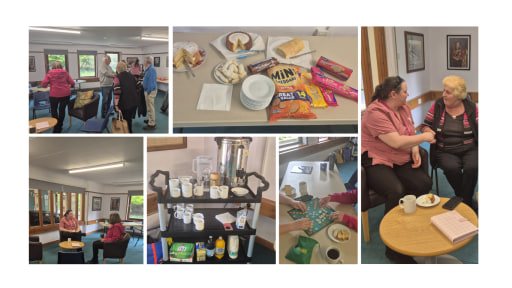
Positive feedback for the FIRST Day care taster session
31-Mar-26
Positive feedback for the FIRST Day care taster session
31-Mar-26 Hammersmith & Fulham leadership team driving high-quality home care
 31-Mar-26
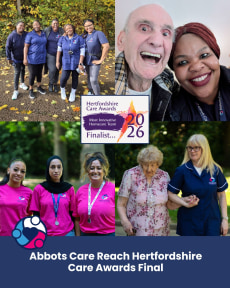
We've reached the final of the HCPA Care Awards 2026!
31-Mar-26
We've reached the final of the HCPA Care Awards 2026!