Bowel Cancer Awareness Month: Why Small Changes Are Worth Noticing


April is Bowel Cancer Awareness Month, a good time to encourage open conversations about health and to remind ourselves how important it is to stay in tune with our bodies.
As we get older, it’s easy to overlook small changes. Feeling a little more tired, noticing a shift in appetite, or experiencing occasional discomfort can often be put down to ageing. In many cases, that may well be true. But sometimes, these changes are worth a second look.
Taking a moment to notice what feels different and speaking to someone about it can offer reassurance and, if needed, lead to earlier support.
Understanding What’s Normal for You
Our bodies naturally change as we age. Because of this, it can be difficult to tell the difference between what is “normal” and what might need attention. Some changes to keep an eye on include: • Feeling unusually tired • Changes in appetite • Unexplained weight loss • Changes in bowel habits • Ongoing discomfort
Bowel cancer is more common in older adults, with over 40% of cases in the UK diagnosed in people aged 75 and over. While these symptoms are often linked to less serious conditions, noticing patterns and acting early can make a real difference.
Staying Aware
Staying aware of your health does not need to feel overwhelming. Small, practical steps can help you feel more in control: • Make a note of any changes that last more than a few weeks. • Pay attention to anything that feels unusual for you. • Trust your instincts and speak up if something does not feel right.
These simple habits can help you take positive action when needed.
Feeling Comfortable Speaking Up
It’s very common to put off talking about health concerns, especially when symptoms feel personal or difficult to discuss.
You might feel like you are making a fuss, or you may not want to worry family members. Some people are concerned about what they might be told, while others feel that services are already under pressure. These feelings are completely understandable.
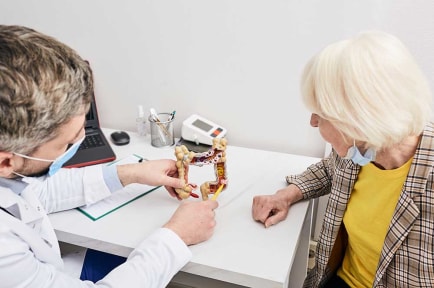
However, GPs are there to support you, and they would always rather see you sooner rather than later. Having a conversation early can often lead to reassurance, and if something does need attention, it gives you the best chance of a positive outcome.
When bowel cancer is identified early, survival rates are very high, which is why taking that first step matters.
Getting the Most from Your Appointment
A little preparation can help you feel more confident when speaking to your GP: • Write down any changes or symptoms you have noticed. • Bring a notebook to jot down advice or next steps. • Consider taking a family member or friend for support.
Having someone with you can make the experience feel more relaxed and help you remember what was discussed.
How Care at Home Supports Health and Confidence
Having regular, trusted support at home can make a real difference in staying aware of your health.
Our Care Professionals build strong relationships with the people they support. Because they visit regularly, they are often well placed to notice small changes in appetite, energy levels, or daily routines. Just as importantly, they offer reassurance and a friendly presence. A simple conversation over a cup of tea can help turn a small concern into a positive next step, whether that’s speaking to a loved one or arranging a GP appointment.
Here to Support You Every Step of the Way
If you or a loved one would benefit from a little extra support at home, we are here to help. From day-to-day assistance and personal care to companionship and conversation, our Care Professionals are here to help you live safely, confidently, and comfortably in your own home. To find out more or to arrange your free home care assessment, please get in touch with our team today.
Latest Care Provider & Regulatory News
 13-Apr-26
Bowel Cancer Awareness Month: Why Small Changes Are Worth Noticing
13-Apr-26
Bowel Cancer Awareness Month: Why Small Changes Are Worth Noticing
 13-Apr-26
Carer of the year awards
13-Apr-26
Carer of the year awards
 13-Apr-26
The perfect fit
13-Apr-26
The perfect fit
 10-Apr-26
Customer's Easter Party 2026!
10-Apr-26
Customer's Easter Party 2026!
 10-Apr-26
Home Instead Watford Launches Free Monthly Singing for the Brain Club
10-Apr-26
Home Instead Watford Launches Free Monthly Singing for the Brain Club