
You may be able to get free incontinence pads on the NHS, but it depends on your needs and where you live. In most cases, you’ll need an assessment from a GP or continence service before any products are provided. This guide explains who qualifies, how to apply, and what support you can expect.
Page contents
- What are incontinence products?
- Can you get free incontinence pads on the NHS?
- Who is eligible for free incontinence products?
- How to apply for NHS incontinence products
- What incontinence products does the NHS provide?
- How many pads will the NHS provide?
- Do NHS incontinence products reduce costs completely?
- What if you don’t qualify for NHS support?
- How to choose the right incontinence product
- Reusable vs disposable incontinence products
- Tips for managing incontinence at home
- When to seek medical advice
- How carers and home care services can help
Page contents
- What are incontinence products?
- Can you get free incontinence pads on the NHS?
- Who is eligible for free incontinence products?
- How to apply for NHS incontinence products
- What incontinence products does the NHS provide?
- How many pads will the NHS provide?
- Do NHS incontinence products reduce costs completely?
- What if you don’t qualify for NHS support?
- How to choose the right incontinence product
- Reusable vs disposable incontinence products
- Tips for managing incontinence at home
- When to seek medical advice
- How carers and home care services can help
 At a glance
- Free incontinence pads on the NHS: You may be able to get them, but only after an assessment by a GP or continence service.
- Who qualifies: Usually people with ongoing bladder or bowel control issues who need regular support.
- What you’ll get: Typically a limited supply of pads or products based on your needs. However it will not always be your preferred brand or type.
- How to apply: Speak to your GP or district nurse to request a continence assessment.
What are incontinence products?
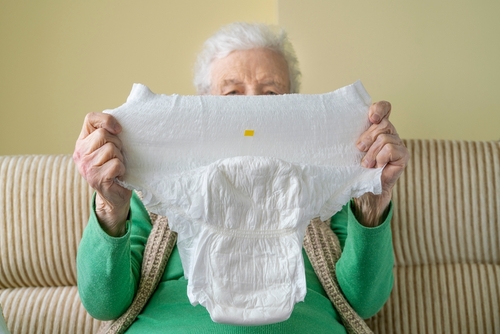
Incontinence products are items designed to absorb, contain, or protect against urine or faecal leakage.
They’re used by anyone whose bladder or bowel control has been affected by illness, injury, or the changes that come with age. For some people they’re a short-term measure during recovery; for others they become part of everyday life.
Can you get free incontinence pads on the NHS?
Yes, in many cases you can get free incontinence pads on the NHS.
However, this isn’t automatic. You’ll usually need to be assessed by a healthcare professional, such as a GP, continence nurse, or district nurse, to determine whether you qualify.
Support is based on clinical need rather than income, and what you receive can vary depending on your local NHS service.
Who is eligible for free incontinence products?
You may be eligible if:
- You have ongoing bladder or bowel control issues
- You need regular use of incontinence products
- Your condition has been assessed by a healthcare professional
Eligibility is not means-tested, so your savings or income don’t affect whether you can receive support.
In most cases, short-term or occasional leaks won’t qualify for NHS provision. The service is usually aimed at people with long-term or more complex needs.
How to apply for NHS incontinence products
To access free incontinence pads, you’ll usually need to follow these steps:
1. Speak to your GP or healthcare professional
Explain your symptoms and how often you’re experiencing leakage.
2. Get referred for an assessment
You may be referred to a continence service or specialist nurse.
3. Have a continence assessment
This looks at:
- Type and frequency of leakage
- Mobility and independence
- Skin health
- Daily routine and care needs
4. Receive a care plan
If you’re eligible, the service will recommend suitable products and arrange for them to be supplied to you.
In many cases, this process happens quickly, especially if your needs are clear.
What incontinence products does the NHS provide?
The NHS typically provides basic, clinically suitable products, rather than a full range of options.
This may include:
- Incontinence pads for light to moderate leakage
- Pull-up pants or all-in-one briefs for heavier needs
- Bed pads or mattress protection in some cases
The exact products depend on your assessment and local service.
How many pads will the NHS provide?
Most NHS continence services provide:
- A limited number of pads per day (often around 3–4)
- Products based on your assessed need, not what kind of brand you prefer
This means:
- You may need to buy additional products
- You may not receive your preferred style or brand
In many cases, people use NHS supplies as a baseline, then top up with their own purchases if needed.
Search for trusted home care
 13,000+ home care providers
 1,500+ new reviews every month
 100,000+ verified reviews
Do NHS incontinence products reduce costs completely?
Not always.
While NHS provision can reduce costs significantly, it rarely covers everything. Many people:
- Use NHS pads during the day
- Buy additional products for overnight or outings
- Combine disposable and reusable options
This flexible approach often works best in practice.
What if you don’t qualify for NHS support?
If you’re not eligible, there are still options:
- Buying products directly (pads, pants, bedding protection)
- Using reusable products to reduce long-term cost
- Asking your GP about other treatments or support
Even if you don’t qualify initially, you can request a reassessment if your needs change.
How to choose the right incontinence product
Whether you receive NHS support or buy your own products, choosing the right option depends on a few key factors:
Level of leakage
- Light leakage during physical activity or sneezing (stress incontinence) is usually managed well with a shaped pad worn inside regular underwear.
- Frequent or unpredictable leakage through the day (urge incontinence) will usually require a product with more coverage, such as pull-up pants or an all-in-one brief.
Mobility
- Someone fully mobile and independent can use almost any product.
- For a person with limited hand strength, difficulty bending, or who needs a carer’s help, a product that can be changed quickly without standing is more practical.
Day vs night use
- Daytime – lighter, more discreet products
- Night-time – higher absorbency and bedding protection. Overnight products need higher absorbency. They should also keep moisture away from the skin, because prolonged contact with wetness increases the risk of skin soreness and pressure damage.
Absorbency ratings
Absorbency levels on packaging are usually shown as drops
- 1–2 drops – light
- 4–5 drops – heavy
Reusable vs disposable incontinence products
Many people use a mix of both.
Disposable products
- Convenient and easy to use
- Widely available
- Higher ongoing cost
Reusable products
- Higher upfront cost
- Lower long-term cost
- More environmentally friendly
For example:
- Reusable bedding at night
- Disposable pads or pants during the day
There’s no single right option. What works best will depend on the person’s needs, routine and preferences, and this may change over time.
Tips for managing incontinence at home
A few consistent routines can make managing incontinence at home more comfortable. Good skin care, regular product changes and respectful personal care can help protect the skin while supporting the person’s comfort and dignity.
Manage skin care
Good skin care is an important part of managing incontinence. Skin that regularly contacts moisture becomes sore quickly, and can lead to further issues such as bed sores.
Washing and drying the skin at each change and applying a barrier cream reduces the risk of irritation. The NHS guidance on urinary incontinence covers skin care in more detail.
Follow a schedule
Regular product changes can help keep the skin comfortable and reduce the risk of irritation, rather than waiting until a product becomes saturated.
Manage odours
Modern incontinence products contain odour-neutralising materials, and disposing of used items promptly in a lidded, lined bin helps. Encourage the person you’re supporting to drink enough fluid (around 1.5 to 2 litres of water daily, as advised by the Bladder and Bowel Community) to keep urine more dilute and less pungent.
Maintain dignity
Protect the person’s dignity when helping them manage their incontinence. Use calm, matter-of-fact language during personal care, and ensure privacy at changing time.
When personal care is handled calmly and respectfully, the person may feel more comfortable asking for help when they need it.
When to seek medical advice
Book a GP appointment if you notice a sudden change in bladder or bowel control.
This includes:
- Incontinence that has come on quickly,
- Leakage accompanied by pain,
- Blood in urine or stools, or
- A change that feels different to normal.
These can indicate a urinary tract infection, a bowel problem, or a medical issue that needs further investigation.
Persistent skin soreness or breakdown is another signal. A district nurse or GP can assess whether a different product or routine would help. A continence nurse, reached through a GP referral, will sometimes offer interventions such as pelvic floor exercises or medication that reduce leakage rather than just containing it
How carers and home care services can help
Consistent support can make managing incontinence at home easier. A care worker who visits regularly can assist with product changes, monitor the skin for early signs of soreness, and make sure washing and barrier cream routines are followed.
For family members caring for someone, providing personal care can sometimes feel emotionally demanding. Carers UK provides practical guidance and support for people in this position, including a free helpline. Call 0808 808 7777, free from any UK phone.
If continence care is part of a wider care service package, make sure it’s included in the care plan, with details of which products are in use and what the person’s preferences are.
Next steps
- Track your symptoms for 3–7 days: Before your appointment, keep a simple bladder and bowel diary noting how much you drink each day, how often you go to the toilet, and when leaks happen. Healthcare workers use this information to understand how serious your condition is and to speed up your assessment.
- Request a continence assessment: Contact your GP office or local nurse to request an assessment. In many places, you can also contact your local NHS Bladder and Bowel Service yourself without needing a referral from a doctor first.
- Prepare a baseline supply while you wait: If you need products while waiting for an NHS assessment or delivery, you may want to arrange a temporary supply yourself. Choose ones that are comfortable and absorb well during the day and night to protect your skin while you wait.
FAQs
Do incontinence products cause skin problems?
They can if not changed frequently enough or if the skin isn’t cleaned properly between changes. Prolonged contact with moisture is the main cause of skin breakdown. Washing and drying the skin at each change and using a barrier cream reduces the risk. If the skin becomes sore or broken, speak to a GP or district nurse.
Can I get incontinence products on the NHS?
Yes, someone with significant continence needs can access products through their local NHS continence service. What products are available varies by area. Ask your GP for a referral to a continence nurse, who can assess your needs and advise on what is available locally.
How do I know which absorbency level to choose?
Most products use a drop rating on the packaging: one drop for light, four or five drops for heavy. Start with a product rated slightly above what you think you need. A continence nurse can give personalised advice if you’re unsure.