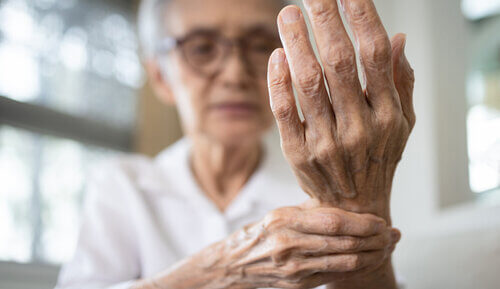
Osteoporosis is a condition that weakens bones, making them more likely to break. Despite its seriousness, it is often overlooked. Recent official figures show that England is making little progress in diagnosing and treating osteoporosis, which could result in more than 40,000 preventable deaths.
Despite the availability of treatments, the Royal Osteoporosis Society (ROS) says many people remain undiagnosed because access to Fracture Liaison Services (FLS) varies depending on where they live.
This article looks at what osteoporosis is, what causes it, its symptoms, and who is most at risk. It shares important ways to help prevent osteoporosis and gives you practical steps to keep your bones strong and lower your risk of fractures.
Page contents
At a glance
- Osteoporosis definition: Osteoporosis is where the body loses bone faster than it can rebuild it, affecting about 3.5 million people in the UK and causing roughly 500,000 fractures annually.
- Risk factors: The condition mostly impacts older adults and women over 50, with other risk factors including early menopause, family history, low body weight, and previous fractures.
- Diagnosis and symptoms: Often called a “silent disease” because it typically has no symptoms until a bone breaks, diagnosis involves a GP assessment and a painless DEXA bone density scan.
- Treatment and prevention: Lower fracture risk with medications like bisphosphonates, calcium and vitamin D supplements, regular exercise, and lifestyle changes.
What is osteoporosis?
In simple terms, osteoporosis happens when your body loses bone faster than it can rebuild it. About 3.5 million people in the UK suffer from osteoporosis, which leads to around 500,000 fractures each year. Imagine bending over to pick something up, or even just coughing, and breaking a bone. This can happen to people of all backgrounds who have osteoporosis.
What causes osteoporosis?
More often than not, people don’t even realise they have osteoporosis until they break a bone. But the warning signs are there, and it’s important to be aware of the many factors that increase the risk of osteoporosis, including:
- Ageing: Bones become more fragile as you get older because they break down faster than they rebuild.
- Menopause: Estrogen drops during menopause, causing women to lose bone faster.
- Family history: If your parents or siblings have osteoporosis, you are more likely to develop it too.
- Low calcium and vitamin D: Not enough of these nutrients weakens bones and prevents proper growth.
- Lack of exercise: Inactivity leads to weaker bones because they aren’t being strengthened by movement.
- Smoking and excessive alcohol: Both make it harder to absorb calcium and disrupt hormones, weakening bones.
- Long-term steroid use: Extended use of corticosteroids – anti-inflammatory medications – slows bone growth and increases bone loss.
- Certain medical conditions: Problems like inflammation, hormone disorders, and digestive diseases can directly weaken bones.
Who is most at risk?
Osteoporosis mostly affects older adults, but younger adults and children can also be affected. Women are at higher risk, especially if they go through menopause before they reach 45 or have previously had their ovaries removed. Half of women over 50 and one-in-five men over 50 are likely to have fractures related to osteoporosis during their lifetime.
People with the following factors are at higher risk:
- Previous fractures: A past fracture from a minor fall is most likely to cause weaker bones and future breaks.
- Low body weight: Having a low body weight (especially a body mass index of under 19) means less natural cushioning and lighter, weaker bones.
- Long-term health problems: Conditions like rheumatoid arthritis, diabetes, cancer, digestive diseases, or early menopause harm bone health.
Symptoms of osteoporosis
The most common symptom of osteoporosis is, perhaps surprisingly, breaking a bone. While fractures are also a consequence of the disease, they are often the first warning sign. That’s because, typically, there are no symptoms until a bone actually breaks.
However, some physical signs of osteoporosis will appear over time, such as losing height, having a stooped posture, back pain, or fractures in the spine, wrist, or hip. Among these, spine and hip fractures are the most serious. Hip fractures, in particular, can raise the risk of death within the first year after injury.
How is osteoporosis diagnosed?
To diagnose osteoporosis, your GP will start by assessing you and looking at your medical history. Next, you will have a quick, painless bone density scan called a DEXA scan, which uses low-dose X-rays to check how dense your bones are. The results are often combined with a fracture risk assessment and blood tests to help understand whether you are at risk of osteoporosis.
Treatment for osteoporosis
Osteoporosis treatment focuses on lowering the risk of bone fractures through medication, healthy eating, lifestyle changes, and regular GP visits. Doctors often start with oral or intravenous bisphosphonates to slow bone loss and keep bones strong.
These treatments are most effective when paired with good nutrition, so it is important to take daily calcium and vitamin D supplements. If someone has special health needs or a higher risk of fractures, doctors may also recommend other medicines which help by blocking the cells that break down bone tissue.
Along with medical treatment, building physical strength and making your environment safe are important for long-term health.
Can osteoporosis be prevented?
Even though osteoporosis can’t always be prevented, its onset can be significantly delayed. Your healthcare provider will help you find the approach that fits your lifestyle, but the following examples are a good way to start:
- Healthy diet: Eat a balanced diet with all the nutrients your bones need to stay strong. Eat dairy, leafy greens, or fortified foods every day to get enough calcium for strong bones.
- Vitamin D: Get enough sun, eat vitamin D-rich foods, or take supplements, so your body can absorb calcium effectively.
- Exercise: Walk, run, or exercise regularly to build and maintain bone strength.
- Avoid smoking: Smoking damages your bones and speeds up bone loss.
- Limit alcohol: Too much can weaken your bones and block calcium absorption.
- Maintain a healthy weight: Stay at a healthy weight to avoid bone loss.
Living with osteoporosis
Living well with osteoporosis is possible. Even small changes to your daily routine can help protect your bones and give you greater confidence in the future. As mentioned above, exercising will maintain strength, flexibility, and bone health, but avoid high-impact or twisting movements. Instead, choose weight-bearing exercises, gentle aerobics, and posture routines that protect your spine.
At home, remove trip hazards such as loose rugs and clutter, add good lighting, install grab rails in the bathroom, and keep cords tidy to lower your risk of falls and fractures. If a fall does happen, it might, understandably, cause anxiety. Talk with your healthcare team, join support groups, and slowly restart gentle movement to regain confidence and strength.
Most importantly, see your GP, nurse, or specialist regularly to check your bone density, review medications, and get further advice for staying healthy and preventing fractures.
When should you see a doctor?
You should see a doctor if you notice any warning signs for osteoporosis, notice changes in your body, or break a bone after a minor fall or bump. Osteoporosis is often called a “silent disease” because bone loss happens without symptoms. Getting checked early is important.
The International Osteoporosis Foundation suggests these questions to ask your doctor:
- Do I have any reasons to worry about osteoporosis?
- Do I need a bone mineral density (BMD) test?
- If I have this test: What do the results show, and do I need medicine to keep my bones healthy?
- How can I get enough calcium and vitamin D?
- What kind of exercise should I do to help strengthen my bones and muscles?
Remember: we are all different, so visiting your doctor is vital for finding the right solutions for you and your lifestyle.
Taking charge of your bone health
While England’s advances in diagnosing and treating osteoporosis have stalled, Wales has made huge improvements. Data show FLS care there rose from 5,485 patients in 2024 to 10,249 in 2025, marking a notable increase.
Only time will tell if a new Health Secretary can rescue the FLS care policy, but in the meantime, this article shows that there are plenty of ways you, your family, and your friends can stay bone-healthy.
FAQs
Who is most at risk of developing osteoporosis?
While osteoporosis can affect anyone, it is most common in older adults, particularly women over 50. Risk factors include going through early menopause (before 45), a family history of the condition, low body weight (BMI under 19), previous minor fractures, and certain underlying health conditions.
What is osteoporosis?
Osteoporosis is a condition where the body loses bone faster than it can rebuild it, causing bones to become weak. It is called a “silent disease” because bone loss occurs gradually over time without any noticeable symptoms, and many people do not realise they have it until they break a bone from a minor bump or fall.
How is osteoporosis treated?
A GP will evaluate your medical history and recommend a quick, painless bone density scan called a DEXA scan, sometimes combined with blood tests and a fracture risk assessment. Treatment focuses on lowering fracture risk through a combination of daily supplements, medications to slow bone loss, regular physical activity, and lifestyle adjustments.

Find home care near you
Search for home care near you, compare costs, and read reviews from families to help you choose.

Related Articles